Sinhagad Road, Pune - 411041 | +91 7798412363 | +91 8482928067
Currency:
SAHAJ Academy
Knowledge & Case Chronicles

Where Natural Living Meets Modern Wellness

Thought leadership articles on awareness, Vaidic principles, integrative wellness, and verified anonymized case studies reflecting real transformations.

Articles & Deep Perspectives

Mr. Gajanan - Founder SAHAJ Wellness House
Founder's Note

Living With Awareness in a Distracted World

"At SAHAJ, we believe wellness is not an occasional luxury, but an everyday rhythm of returning to oneself. These insights and articles reflect our lived experience of bringing ancient meditative wisdom and natural therapies into harmony with modern life."

Gajanan Founder & Natural Health Mentor • SAHAJ WELLNESS HOUSE™
Read Founder Story
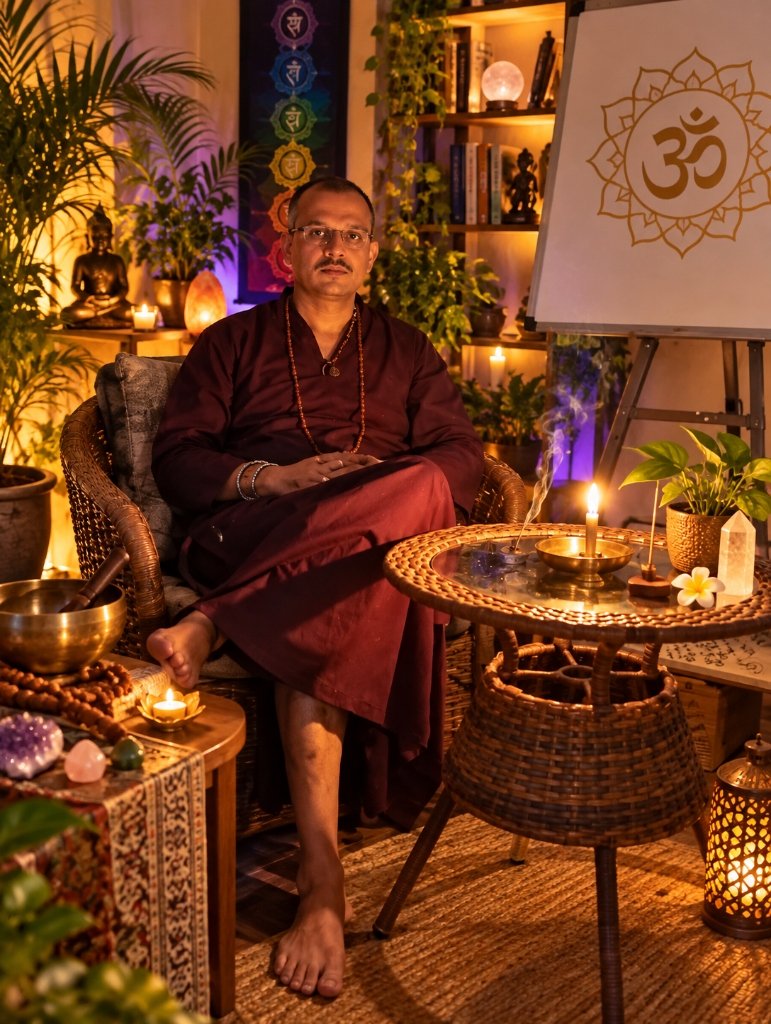
OSHO and the Art of Returning to Yourself - Mind, Meditation and Silence
BLOG 01 5 min read • Mindfulness & Awareness

OSHO and the Art of Returning to Yourself

"In a world full of noise, perhaps the greatest wellness practice is learning to become silent."

Modern life has given us extraordinary convenience. We can communicate instantly, work from anywhere, access unlimited information, and remain connected almost every moment of the day.

Yet, despite all this connectivity, many people feel increasingly disconnected — from their body, their emotions, their relationships, and, most importantly, themselves.

This is where the philosophy of OSHO offers an interesting perspective. OSHO's teachings frequently explored awareness, meditation, freedom from mechanical living, and the importance of experiencing life consciously.

The fundamental idea is simple: Before trying to change the world outside, learn to observe what is happening inside.
The problem with living on autopilot

A typical professional may wake up with notifications, rush through breakfast, travel to work, spend hours in meetings, return home exhausted, scroll through a phone, and eventually fall asleep while the mind is still working. The body may be resting. The mind may not be.

Over time, this lifestyle can affect sleep, emotional balance, relationships, productivity, and our overall sense of wellbeing. The answer is not necessarily to abandon modern life. The answer may be to become more conscious while living it.

OSHO and meditation

Meditation, in the broader wellness context, is not simply about sitting with closed eyes. It can mean learning to observe: Observe your thoughts. Observe your breathing. Observe your reactions. Observe your emotions. Observe your habits. And gradually create a small space between what happens to you and how you respond to it. That space can become extremely valuable.

The OSHO-inspired question

Instead of asking: "What is wrong with me?" perhaps occasionally ask: "What is happening within me?"

Instead of constantly asking: "How can I become more productive?" ask: "How can I live more consciously?" The difference may appear small. The journey it creates can be significant.

Bringing awareness into everyday life

You don't need to spend hours meditating to begin. Start with five minutes. Sit quietly. Observe your breathing. Notice your thoughts without immediately judging them. Eat one meal without your phone. Walk without constantly checking notifications. Listen to another person without preparing your response. Sleep without carrying the entire day's arguments into bed.

SAHAJ Perspective

Natural wellness is not about escaping modern life. It is about learning how to live modern life without losing yourself in it. The journey towards wellness can begin with something remarkably simple: Pause. Observe. Breathe. Become aware. Return to yourself.
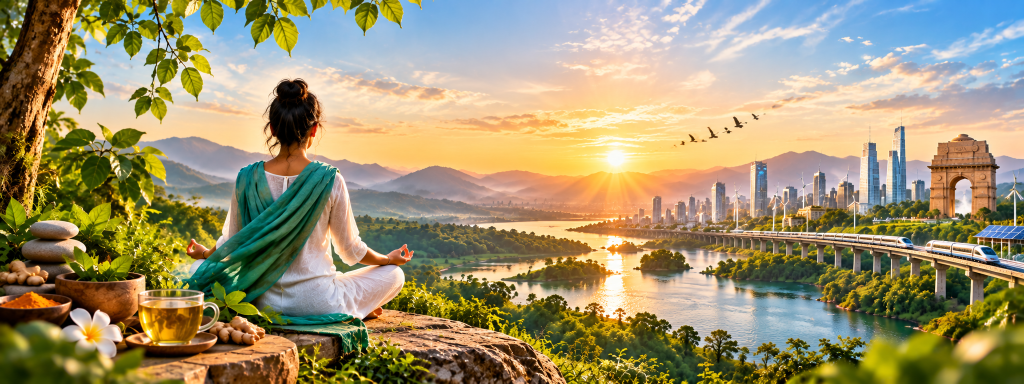
Vaidic Lifestyle - Rediscovering the Wisdom of Natural Living
BLOG 02 6 min read • Ancient Wisdom & Modern Rhythms

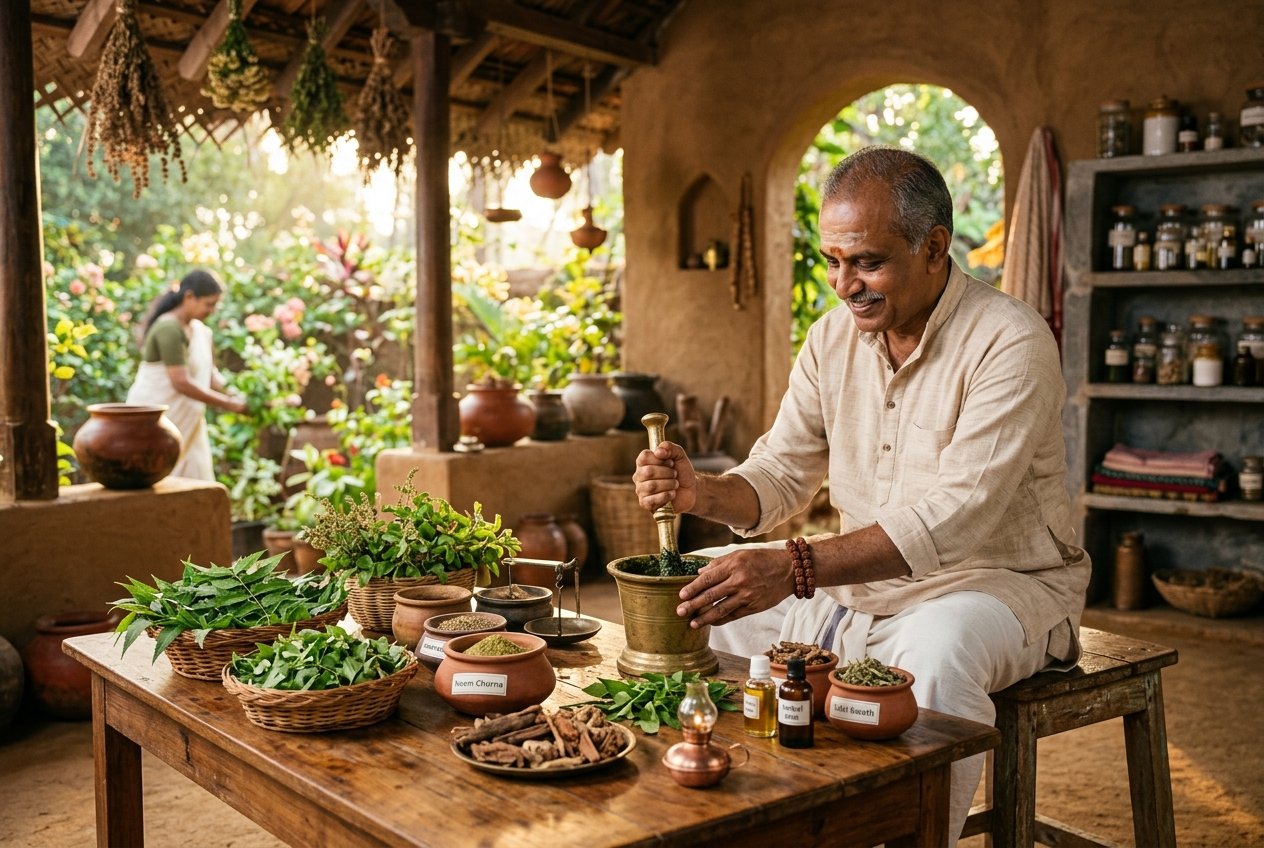
Vaidic Lifestyle: Rediscovering the Wisdom of Natural Living

"What if the future of wellness requires us to rediscover some of the wisdom we have forgotten?"

For generations, Indian traditions placed considerable importance on daily routines, food, movement, rest, seasonal living, mental discipline, and connection with nature.

Modern life has changed dramatically. Our food is increasingly processed. Our work is increasingly sedentary. Our sleep schedules are increasingly irregular. Our exposure to screens is increasing. Our connection with natural rhythms is decreasing. This makes the idea of a Vaidic-inspired lifestyle increasingly relevant for modern conversations around wellness.

Consider five simple dimensions:
1. Food with Awareness

Food is not merely fuel. How, when, and how consciously we eat influences vitality. Prioritize fresh, balanced hydration and mindful eating.

2. Movement as Habit

Our ancestors didn't need gym hours because life had movement. Walking, stretching, yoga, and mobility restore circulation to sedentary days.

3. Respecting Sleep

Sleep is not laziness; rest is biological recovery. Consistent bedtime routines and reduced screen exposure restore circadian health.

4. Training the Mind

A healthy lifestyle is not only about the physical frame. Meditation, breath awareness, and relaxation alleviate constant notification overload.

5. Reconnecting with Nature

Sunlight, fresh air, morning outdoor walks, and quiet surroundings are indispensable anchors in an urban existence.

SAHAJ Perspective

The wisdom of natural living does not belong only to the past. It can become part of our future. The question is not: "Can we go back to the old way of living?" The better question is: "What wisdom from our traditions can help us live better in the modern world?"

Natural Therapies Alongside Modern Healthcare - Integrative Wellbeing
BLOG 03 5 min read • Integrative Medicine & Responsibility

Natural Therapies Alongside Modern Healthcare: Can Both Coexist?

"The conversation should not be 'Allopathy versus Natural Therapy.' It should be: How can people make responsible decisions about their overall wellbeing?"

Modern medicine has transformed healthcare. Emergency medicine, surgery, diagnostics, antibiotics, critical care, and numerous medical advances have saved millions of lives. At the same time, people are increasingly interested in lifestyle practices, meditation, relaxation, nutrition awareness, and complementary wellness approaches. These conversations need balance.

Natural wellness does not mean abandoning medical care. This distinction is extremely important. If a person has a medical condition, they should consult an appropriately qualified healthcare professional and follow prescribed treatment. Natural wellness practices are not promoted as replacements for medical diagnosis or treatment.
Where can wellness practices fit?

Depending on the individual's circumstances and professional guidance, wellness practices support relaxation, stress management, lifestyle awareness, mindfulness, sleep routines, nutrition awareness, and physical recovery as part of a broader lifestyle approach.

SAHAJ Perspective

The future of wellness should be based on: Awareness + Professional Guidance + Responsible Choices + Healthy Habits. Not fear. Not exaggerated claims. And not believing that one therapy works for everyone. Natural wellness can have a meaningful place in modern life when approached responsibly.

Youth & Professionals Wellbeing
BLOG 04 5 min read • Young India & Corporate Health

Why SAHAJ Matters to India's Youth and Working Professionals

"India's greatest asset is its people. Success should not come at the cost of burnout."

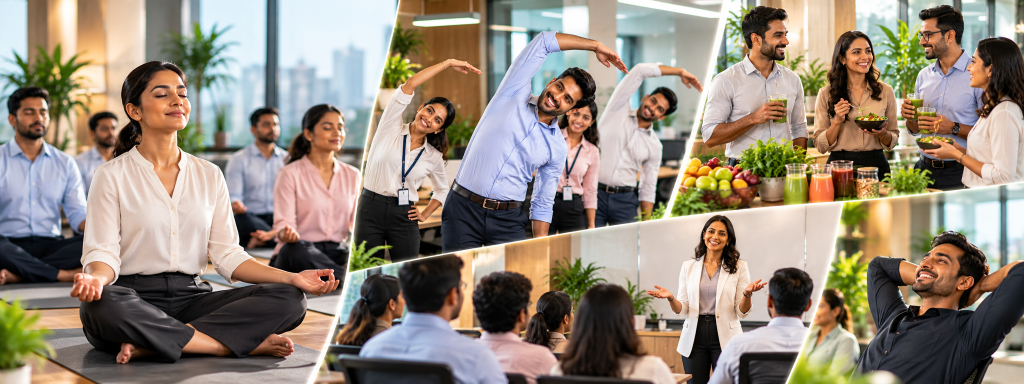
India has one of the world's most ambitious young populations and an increasingly dynamic professional workforce. Young people are studying, building companies, entering global careers, and working longer hours. But success can come with a hidden cost: Stress, poor sleep, sedentary routines, digital overload, irregular food habits, and emotional exhaustion.

Healthcare becomes important when something goes wrong. Wellness begins much earlier: It begins with awareness. Can a young professional understand their stress? Can they recognize unhealthy routines? Can they build healthier sleep habits? Can they create moments of silence in a digitally overloaded world?

SAHAJ Perspective

India is building rapidly. But development should not only mean bigger businesses, better infrastructure, and higher GDP. It should also mean: healthier people, healthier families, and healthier communities. And that journey can begin with one person deciding to take better care of themselves.

Natural Health and the Journey Towards Viksit Bharat 2047 - Developed India Healthy Families
BLOG 05 5 min read • National Vision & Human Resilience

Natural Health and the Journey Towards Viksit Bharat 2047

"A developed India cannot be built only with infrastructure. It must also be built with healthy, capable, and resilient people."

The vision of Viksit Bharat 2047 represents India's aspiration for a developed nation by 2047. When we discuss development, we often talk about technology, manufacturing, infrastructure, and economic growth. But beneath all of these lies human wellbeing: Healthy individual → Healthy family → Productive workforce → Strong communities → Strong nation.

Perhaps the conversation around India's development should include another phrase: "Viksit Bharat needs Viksit Manav." Developed infrastructure needs developed human capability. Advanced technology needs healthy minds. Economic growth needs resilient people. And a prosperous India needs families that understand wellbeing.

SAHAJ Perspective

The journey towards Viksit Bharat 2047 will be measured not only by what India builds. It will also be measured by how Indians live. Natural health, responsible wellness, preventive awareness, and healthier lifestyles are fundamental to that larger journey. A developed India begins with a healthier India.

Real Case Studies & Clinical Learnings

Transparent records of client journeys across relationship counselling, intimate wellness, professional stress reset, and community education.

Case Study 01 - Couple Counselling & Relationship Communication
CASE STUDY 01

From Communication Gaps to a Healthier Relationship

Client: Couple (Names withheld for privacy) • Focus: Couple Counselling & Wellness

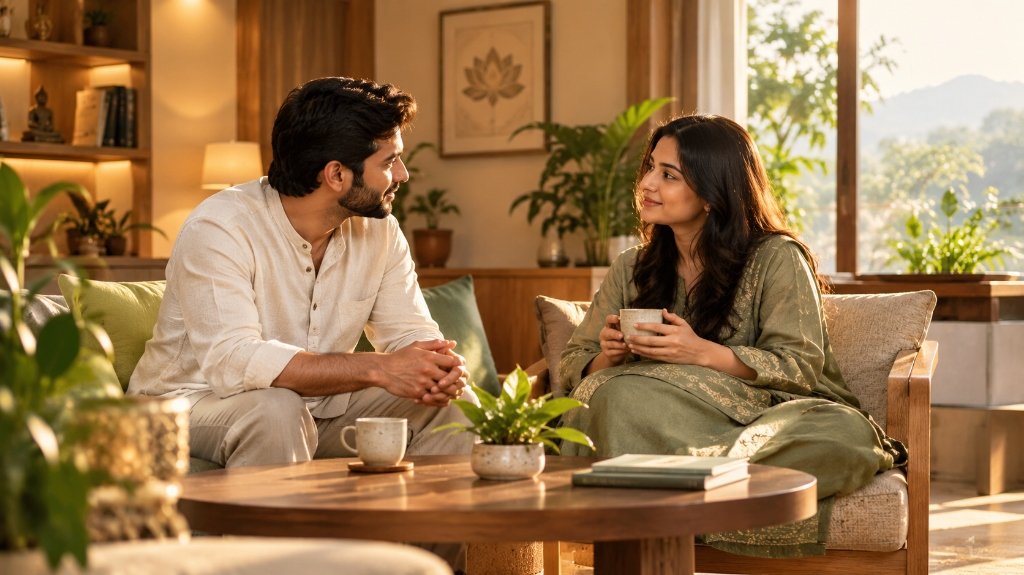
The Situation: Both individuals were professionally active and managing multiple responsibilities. Over time, small disagreements became recurring conflicts. The issue was not the absence of care — it was the inability to communicate effectively under daily strain.

The Intervention:

Focused on creating a safe, non-judgmental environment encouraging active listening, identifying emotional triggers, open communication, reflection, and building healthier communication habits.

The Journey & Outcome: Instead of immediately reacting, the couple began creating space to listen. The couple reported improved communication, less friction, and greater awareness of how their behavior influenced the relationship.

SAHAJ Learning: Sometimes relationships do not need someone to tell people what to do. They need a safe space where people can: Pause → Speak → Listen → Understand → Reconnect.
Case Study 02 - Confidential Intimacy & Relationship Wellness
CASE STUDY 02

When Intimacy Became a Conversation Again

Client: Married couple (Identities withheld) • Focus: Confidential Intimacy & Sex Therapy

The Situation: The couple had been experiencing challenges in their intimate relationship. Embarrassment, hesitation, and fear of judgment had resulted in profound communication gaps and emotional distance.

Creating a Safe Environment:

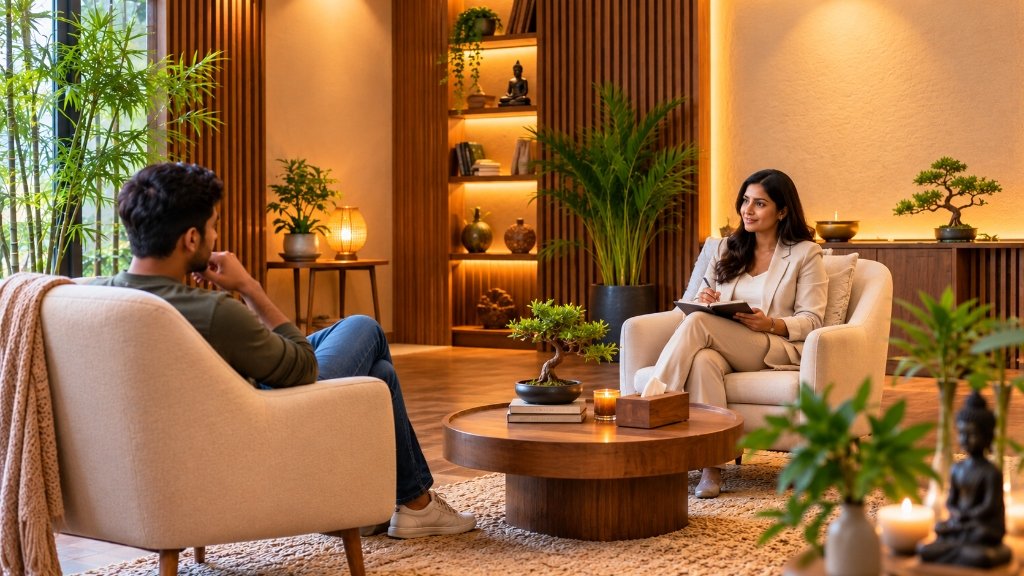
The conversation was approached professionally with absolute confidentiality, dignity, and clinical responsibility rather than sensationalism.

The Outcome: As open communication improved, the couple became comfortable discussing intimacy as a natural component of relationship wellbeing rather than a taboo subject.

SAHAJ Learning: Healthy relationships require open dialogue. Some conversations require a safe, confidential, and dignified environment.
Case Study 03 - Professional Stress Reset & Routine Calibration
CASE STUDY 03

From Wellness Awareness to a Healthier Daily Routine

Client: Working professional (Identity withheld) • Focus: Stress Reset & Routine Calibration

The Situation: Demanding corporate routine, irregular meals, high screen time, and zero personal time had gradually become normalized until severe fatigue set in.

The SAHAJ Method Applied:

Step 1 Assess: Lifestyle and autonomic strain markers.
Step 2 Understand: Deep dive into sleep, food timing, and work pressure.
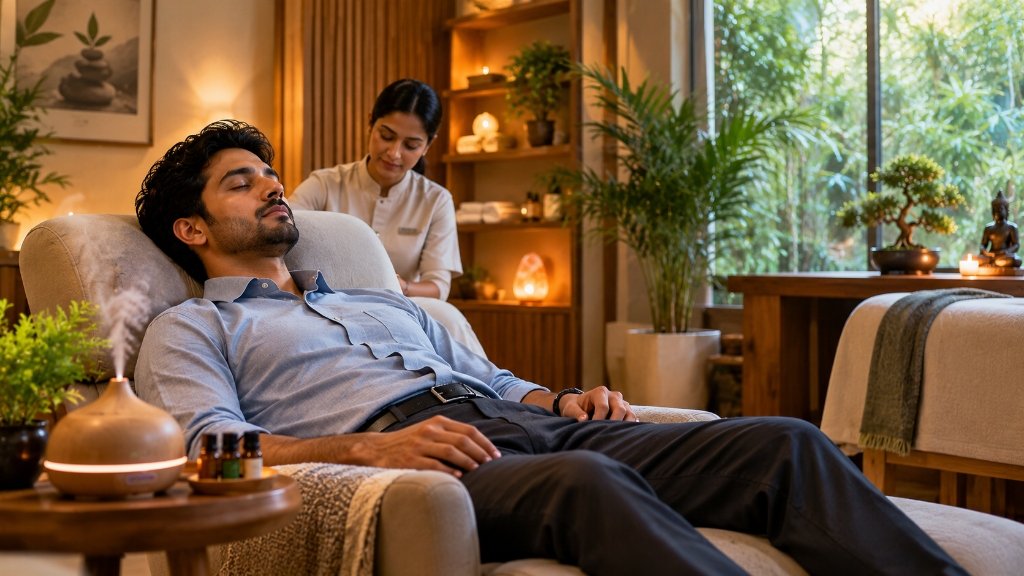
Step 3 Personalise: Meditation, guided relaxation, and targeted body wellness.

The Outcome: The client shifted from feeling helpless about time to intentionally protecting their wellness routine every day.

SAHAJ Learning: Wellness does not require dramatic upheaval. It begins with understanding your current lifestyle and making one better decision at a time.
Case Study 04 - SAHAJ Academy 700+ Alumni Impact
CASE STUDY 04

From Learning Wellness to Creating Wellness at Home

Program: Natural Health & Wellness Consultant • Milestone: 700+ Alumni

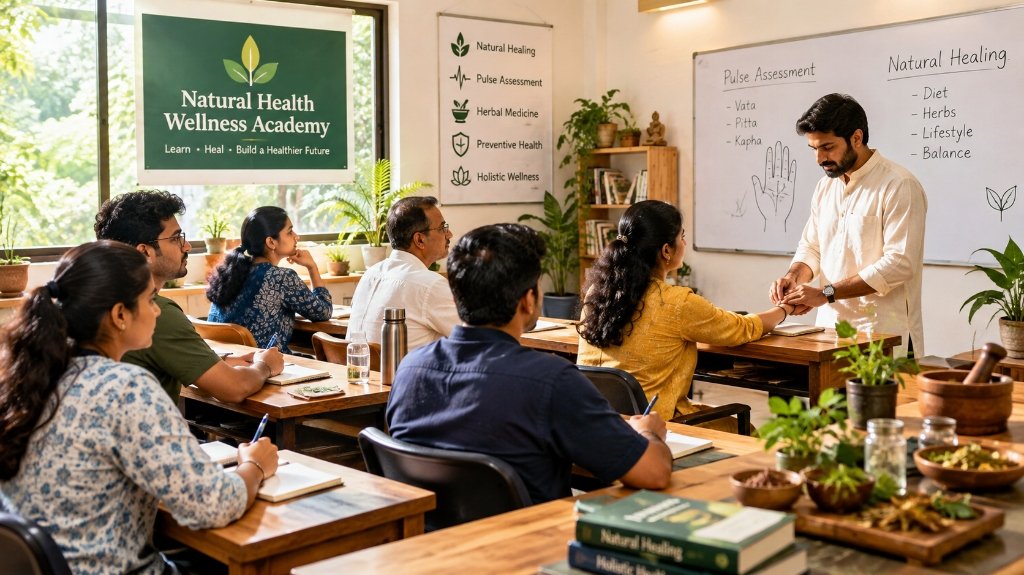
The Opportunity: Many family caregivers and professionals want to understand natural health and preventive wellness, but don't know where to start or how to help their aging parents or growing children responsibly.

Structured Learning:

30 hours of comprehensive natural health principles, pulse diagnostics, preventive lifestyle habits, and accredited career guidelines.

The Ripple Effect: Self → Family → Workplace → Community. Graduates report adopting cleaner eating, calmer family evenings, and several have initiated independent wellness consulting practices.

SAHAJ Learning: When one person in a family learns wellness, the entire family benefits from that awareness for generations.
Chat with Wellness Advisor